Rest Easy: Serenity by Design

Today we explore calming color schemes and minimalist bedroom design for better sleep, blending gentle palettes, intentional negative space, and sensory cues that signal rest. Expect practical palettes, layout tips, and tiny habits that reduce stress, quiet visual noise, and help you drift off naturally tonight. Share your favorite palette ideas, ask questions about lighting or storage, and subscribe for weekly inspirations that turn small changes into restorative nights and brighter mornings.

Color Psychology That Soothes

Colors nudge your nervous system long before you notice them. Soft, low-saturation hues calm the body, lower perceived stress, and reduce nighttime stimulation, while bright, high-contrast pairs keep your brain alert. Gentle gradients, warm whites, and subdued accents create continuity from wall to textiles. We will pair evidence-backed hues with tactile layers that feel grounded, personal, and timeless—encouraging your mind to exhale the moment you step into the room after a long, overstimulating day.

Minimalism That Feels Human

Minimalism here is not austerity; it is clarity. By removing extras that demand attention, you reduce decision fatigue and protect the last moments before sleep. Keep what serves rest, memory, or true function, and give everything else a quiet exit route. Gentle editing, concealed storage, and intentional negative space create a rhythm of calm your body recognizes nightly. Expect fewer piles, fewer cords, and fewer temptations to delay lights-out—replaced by surfaces that breathe and objects with purpose.

Edit with Compassion

Start with one drawer and a timer. Sort into keep, relocate, donate, and a soft “unsure” box sealed for thirty days. Your bedroom is a sanctuary, not a storage unit for undecided items. Keep a photo of meaningful pieces to release extras without guilt. Celebrate each small win. A calmer room tomorrow is built by ten gentle decisions today, and every edited inch returns attention to rest, intimacy, and the rituals that help you truly unwind.

Hidden Storage, Visible Calm

Use under-bed drawers with soft-close hardware, nightstands with doors, and baskets with lids to silence visual clutter. Add a slim dresser tray for pocket items, and route cords through adhesive clips behind furniture. Label interiors so systems survive busy weeks. Keep laundry bins reachable, not aspirational. When everything has a home, your room stops negotiating with you. That predictability reduces bedtime friction, shortens cleanup, and keeps the horizon of your evening pleasantly, reliably quiet.
Lighting for Night and Dawn

{{SECTION_SUBTITLE}}
Evening Warmth, Morning Clarity

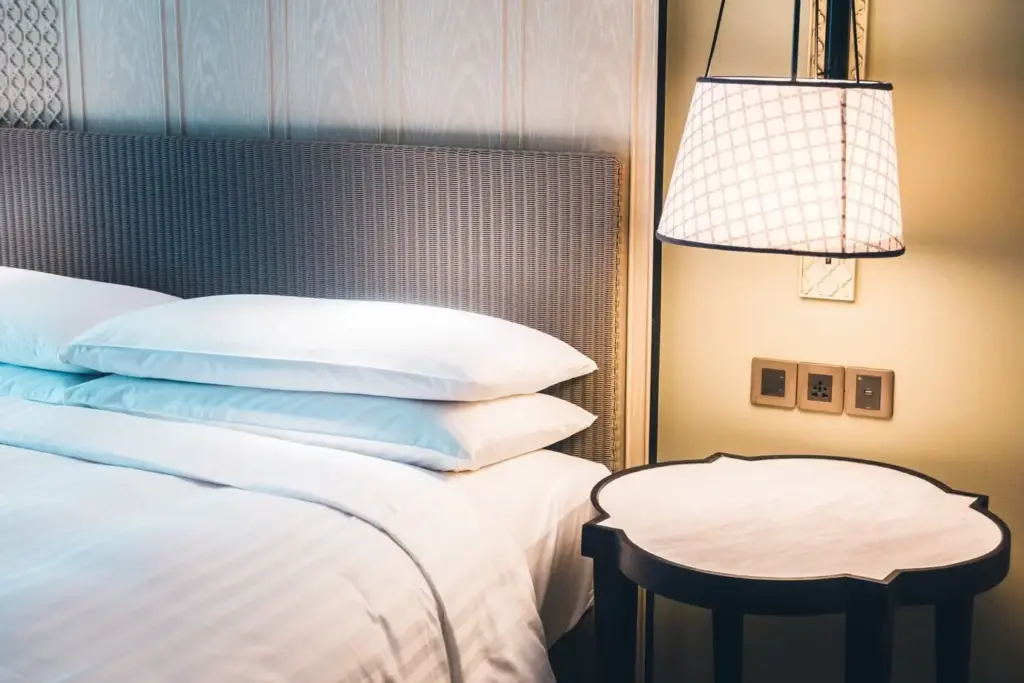
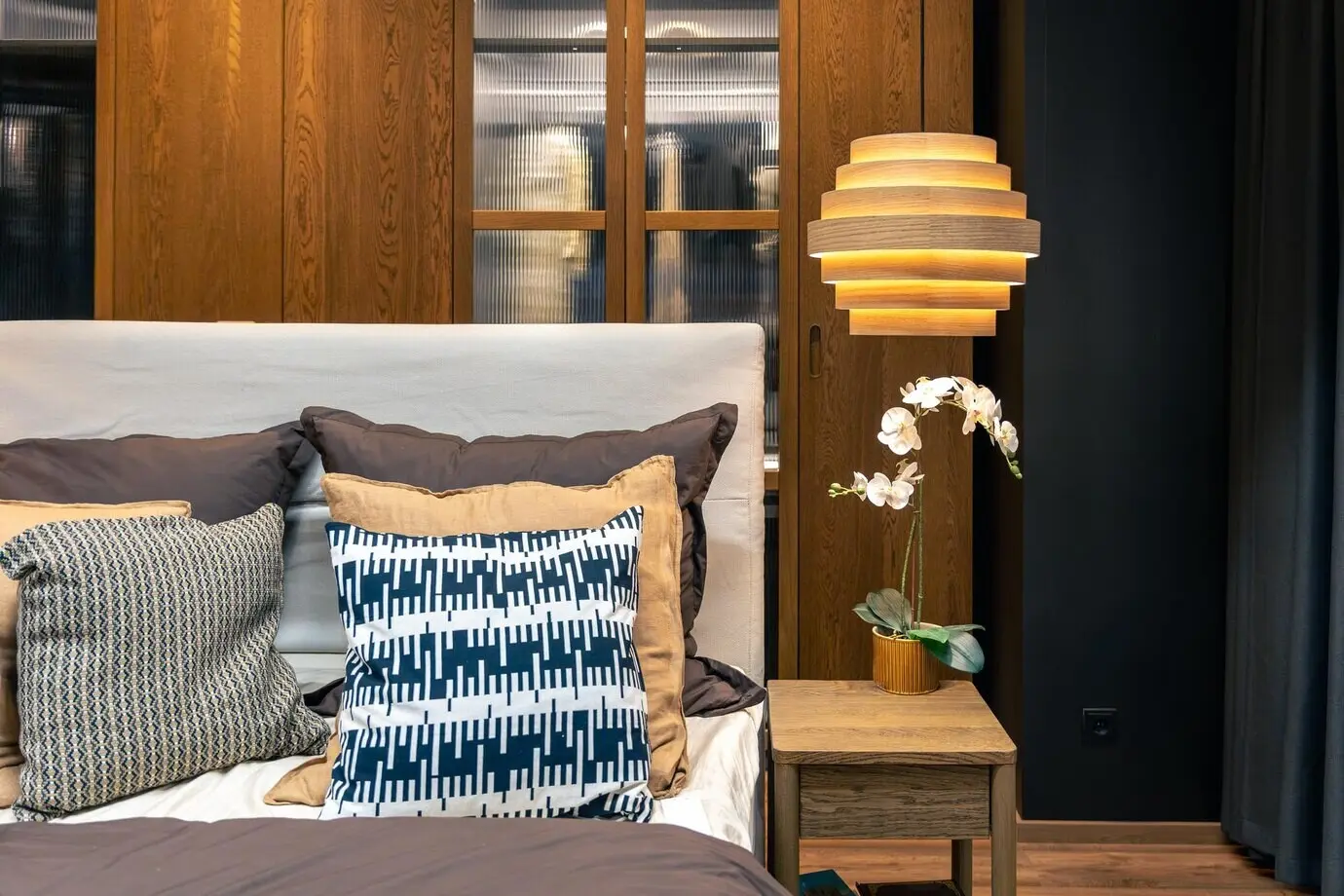
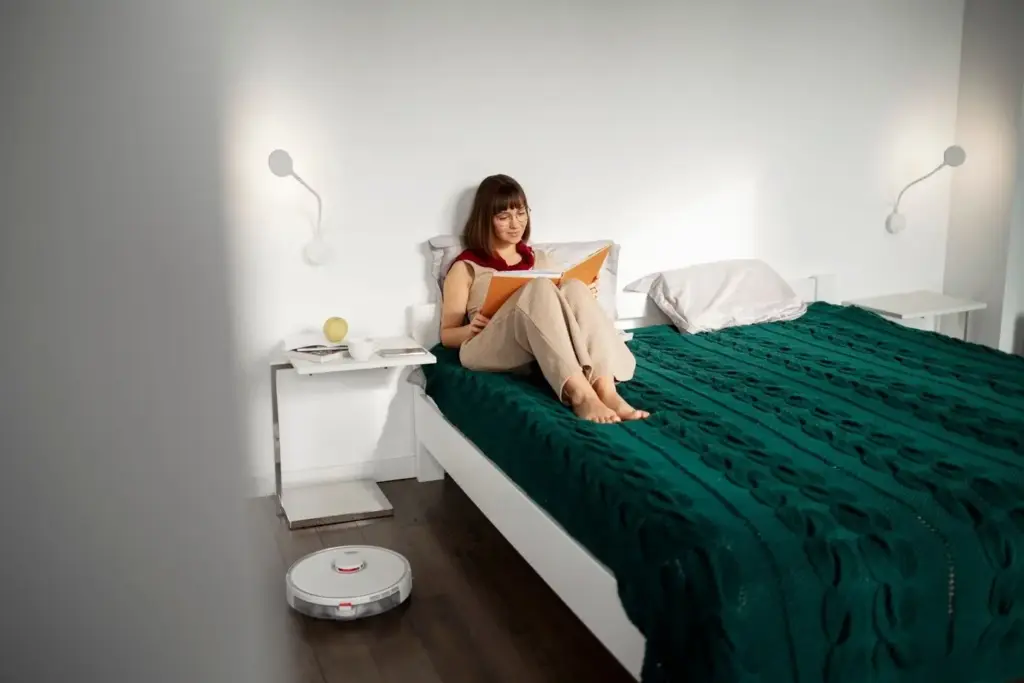
Choose 2200–2700K bulbs for night and brighter 4000–5000K exposure soon after waking, ideally in another room to keep the bedroom restful. Dimmers are essential; set a “sunset” level you can hit without thinking. Consider a sunrise alarm to lift you gently without jolts. Place an amber nightlight low for safe bathroom trips. This choreography supports circadian cues, helping you feel sleepy on schedule and bright earlier, without willpower battles or late-night, overstimulating glare.

Window Treatments That Work

Blackout curtains or cellular shades block ambient street light, while sheers soften daylight without prisoning the view. Mount rods wider and higher than the window to prevent light leak and visually expand the wall. Layer treatments so you can tailor privacy, darkness, and airflow on demand. Morning routines improve when a single pull reveals daylight fully. At night, the room becomes cocoon-dark, teaching your body that this space is predictably safe, private, and deeply restful.

Textures, Materials, and Air

Tactile comfort anchors the mind. Breathable fabrics, matte finishes, and natural fibers translate into cooler nights and quieter mornings. Prioritize low-VOC paints, open-weave linens, and wool or cotton rugs that absorb sound. Avoid high-gloss surfaces near lamps to minimize glare. Gentle weight from blankets can soothe some sleepers, but combine with breathable layers to prevent overheating. Clean air, soft acoustics, and grounded touchpoints cooperate so your senses collectively say, “It’s safe to rest now.”

Layout That Encourages Rest

Plan for perspective, symmetry, and effortless flow. Place the headboard on a solid wall with a view of the door, but not directly in its path, to heighten safety cues. Keep walkways clear and balanced nightstands within easy reach. Choose fewer, appropriately scaled pieces to avoid a cramped feel. Visible floorspace, aligned sightlines, and gentle symmetry reduce cognitive load, letting your brain settle. A considered layout silently coaches more consistent, earlier bedtimes without struggle.

Evening Rituals and Maintenance

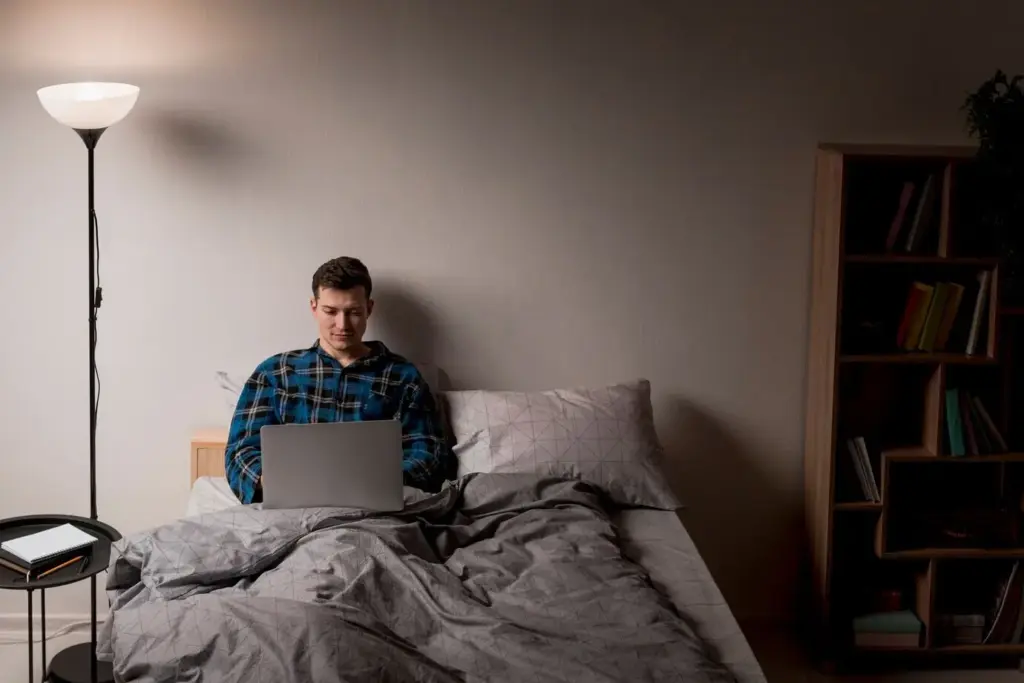
Design supports behavior, and behavior supports sleep. A five-minute reset, gentle scent, and device boundaries reinforce your room’s quiet message. Keep the floor clear, surfaces mostly bare, and small comforts within reach. Pair these with an early dimming schedule and a consistent cue—music, diffuser, or breath pattern. Celebrate micro-wins and share progress with our community; accountability helps habits stick. Subscribe for weekly nudges that keep your sanctuary tidy, tranquil, and wonderfully sleepy.
Xenatapoxatelafu
Privacy Overview

This website uses cookies so that we can provide you with the best user experience possible. Cookie information is stored in your browser and performs functions such as recognising you when you return to our website and helping our team to understand which sections of the website you find most interesting and useful.