
Breathe Deeper, Sleep Better Tonight
Tonight we focus on improving indoor air quality and allergen control for nighttime comfort, translating science and lived experience into practical steps you can start this evening. From taming dust and dander to balancing humidity and quiet filtration, you will learn approachable methods that make bedrooms calmer, noses less reactive, and minds ready for deep rest. Share your questions as you go, and let this guide become a companion to clearer breathing and more restorative sleep.
What Lurks in the Dark
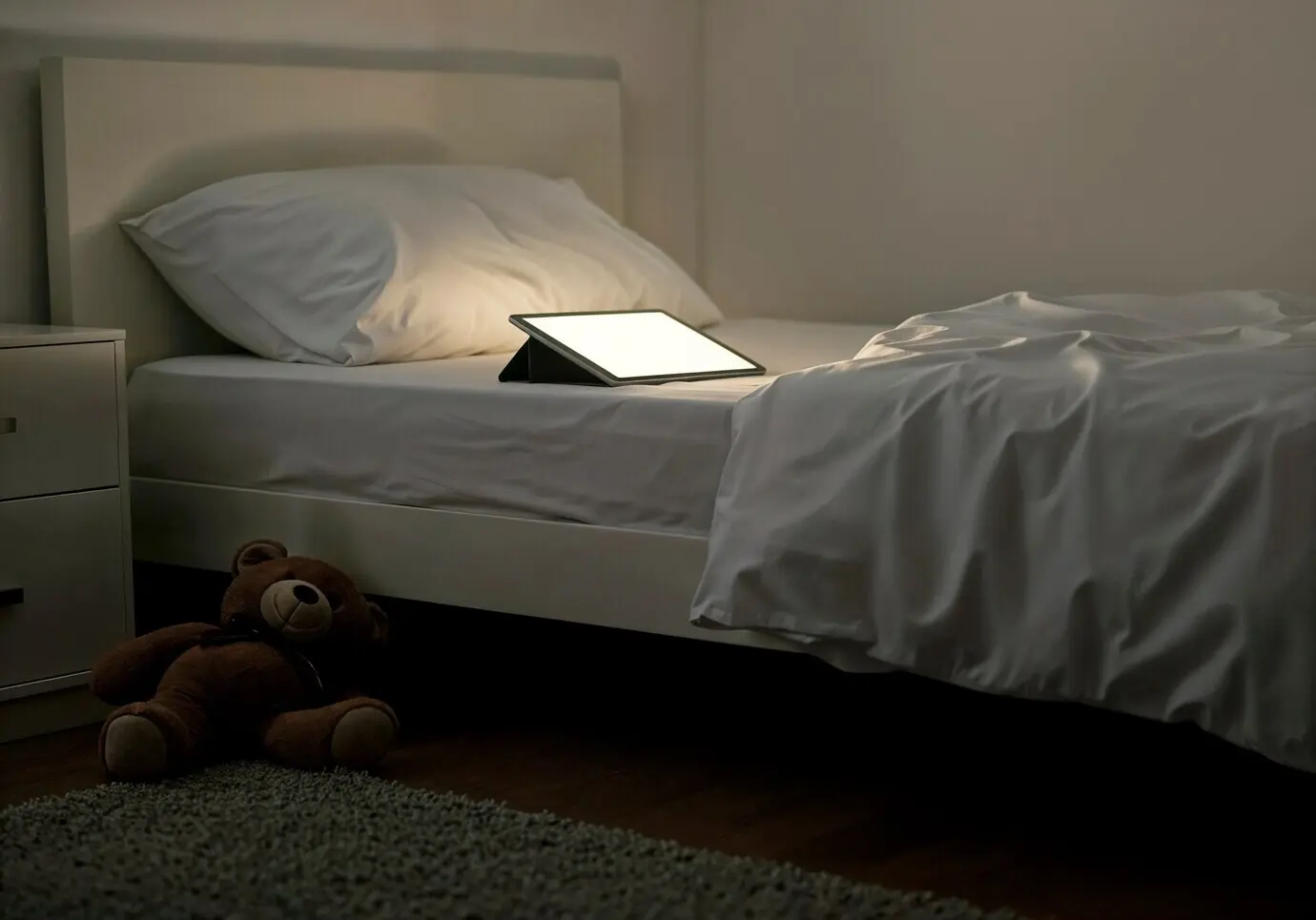
Bedrooms seem peaceful, yet nighttime can concentrate what irritates noses and lungs: dust mite fragments, pet dander, fibers from bedding, settled pollen stirred by turning, and stale air from closed windows. Understanding how these tiny intruders accumulate around pillows, mattresses, and carpets reveals why mornings feel stuffy or congested. This clarity empowers better choices about fabrics, cleaning rhythms, and airflow. As you read, consider where particulates might hide in your own space, and note one simple action you can try before bed tonight.
Invisible Bedroom Pollutants
Allergens and irritants are lighter than they look; a single pillow can harbor dust mite residues and fine fibers that bounce with every breath and toss. When floor traffic slows at night, particles resuspend at nose level and linger. Add clothing lint, skin flakes, stray pollen, and even cooking aerosols drifting from earlier meals, and the mix becomes surprisingly complex. Knowing this encourages strategic laundering, careful storage, and mindful vacuuming schedules that truly reduce exposure overnight.

Why CO2 and Ventilation Matter
Exhaled carbon dioxide builds quickly in sealed bedrooms, and elevated levels are linked with grogginess and restless sleep. While CO2 itself is not an allergen, it signals insufficient fresh air that allows pollutants to accumulate. A slightly opened trickle vent, a balanced ventilation system, or timed windowing can keep levels in a healthier range. Aim for steady, quiet airflow instead of gusty drafts. Track how morning clarity improves when night air refreshment becomes consistent rather than occasional.
Picking Filters That Do More Than Whisper
For central systems, a MERV 13 filter often captures a meaningful share of fine particles without excessive pressure drop in many setups. In stand‑alone purifiers, true HEPA media paired with good seals matters more than marketing terms. Replace filters on schedule; clogged media reduces performance and can increase noise. If you share your bedroom with pets or live near traffic, consider higher capacity or dual units on low speed to maintain clean air quietly through the night.
Sizing and Placing Purifiers for Quiet Power
Clean Air Delivery Rate, room volume, and desired air changes per hour guide sizing. A unit too small runs loud without improving air much, while an oversized model can glide on low, quietly renewing the space. Place purifiers away from curtains and corners, angled to pull air across the bed area without blowing directly at you. Test different speeds before sleep, listen for hums you barely notice, and pick the setting that fades into the background.

Encasements That Stop Dust Mites Cold
High‑quality, tightly woven encasements for mattresses and pillows create a barrier so residues cannot escape into your breathing zone. Look for zipper covers with micro‑tooth closures and proven pore sizes rather than vague claims. Install them once, wash outer pillowcases and sheets routinely, and enjoy long‑term protection with minimal extra effort. Many people report fewer morning sniffles within weeks, especially when encasements are paired with steady humidity control and a vacuum equipped with a sealed HEPA system.

Laundry Routines That Really Reduce Allergens
Washing sheets and pillowcases weekly, using water temperatures appropriate for textiles, reliably reduces allergen load. For duvets and blankets, schedule monthly or seasonal cycles depending on use and shedding. Consider fragrance‑free detergents to avoid additional respiratory irritants. Dry thoroughly to prevent musty odors and microbial growth. Rotate extra sets so clean bedding is always ready on busy weeks. Keep a small checklist on your phone; routines feel easier when tracked, and the air rewards consistency.
Chemistry Indoors: Keep It Calm
Your nose sleeps with you; added fragrances, solvents, and residues do not vanish after dark. Gentle choices before bedtime lessen airborne chemicals that can irritate sensitive airways. Favor low‑VOC materials, skip candles and strong diffusers, and ventilate after cleaning or painting. Even small steps, like switching to unscented laundry products or storing nail polish outside the bedroom, can lighten the load. The result is subtle yet powerful: fewer tickles in the throat, less stuffiness, and easier breathing.
Monitors That Tell a Clear Story
A compact device that reports CO2, PM2.5, and relative humidity offers meaningful insight hour by hour. Watch how closing the door lifts CO2, or how cooking residues raise particles long after dinner. Set gentle alerts rather than blaring alarms, and review trends weekly instead of chasing numbers nightly. When the data guides small changes—like earlier purifier start times—comfort grows quietly. Choose reliable sensors over flashy features, and place them at breathing height, away from vents.
Tracking Particles You Cannot See
Fine particles float silently yet influence nighttime comfort. Optical sensors show spikes after vacuuming, bed‑making, or pet play, revealing where to adjust routines. Consider running your purifier on medium for thirty minutes after evening activities, then lowering it for sleep. If outdoor smoke or pollen intrudes seasonally, seal windows and rely on filtration during peaks. Over time, charts become stories of progress, turning abstract air quality into tangible habits that soothe sinuses and settle minds.


Night Rituals That Protect Your Rest
Comfort grows from repeatable choices. A short airing ritual, a quick check of humidity, and tidy surfaces around the bed weave together into dependable calm. Mindful habits reduce last‑minute scrambles and limit allergen bursts from clutter. Decisions about pets, pajamas, and door positions shape what reaches your pillow. With a few gentle boundaries and small reminders, nights become smoother, mornings clearer, and your bedroom reliably feels like a sanctuary where breathing comes easily and deeply.