
Cool, Calm, and Comfortably Asleep

Tonight we’re exploring temperature control and breathable bedding for cooler sleep, guiding you through choices that keep heat moving away from your skin and invite refreshing airflow. Expect practical tips, science-backed insights, and cozy ideas to transform your bed into a crisp sanctuary. Share your questions and routines in the comments, subscribe for new sleep experiments, and tell us what helps you stay comfortably cool through changing seasons and restless nights.

How Your Body Manages Heat While You Sleep

The Nightly Temperature Drop

Circadian rhythms cue your body to release heat before bedtime, slowing metabolism and encouraging drowsiness. If your bedding traps warmth, that cooling signal struggles, prolonging sleep onset. Breathable sheets and well-chosen layers support this natural dip, encouraging faster transitions into deeper stages. Share how your bedtime timing, dim lights, and evening meals affect heat, and we’ll compare notes to personalize gentle, predictable cool-downs for smoother nights.

Microclimate Under the Covers

What happens between your skin and the sheets determines comfort more than room temperature alone. Air pockets, fabric porosity, and moisture movement shape that tiny world. Crisp weaves encourage convection, while dense coatings block it. Think in terms of steady airflow rather than quick chills. Describe your current setup—sheet weave, blanket weight, mattress protector—and we’ll help map a microclimate that feels dry, temperate, and reliably calm until morning.

Sweat, Evaporation, and Comfort

Sweat is your built-in cooling system, but it only works when evaporation is allowed. Fabrics that absorb and then release moisture encourage this process without feeling clammy. Those that trap humidity create a swampy feedback loop. Seek fibers and weaves that balance absorbency with ventilation. Tell us where heat builds first—shoulders, core, or feet—so we can target airflow layers and reduce wake-ups caused by dampness and sticky discomfort.
Cotton Percale vs Sateen

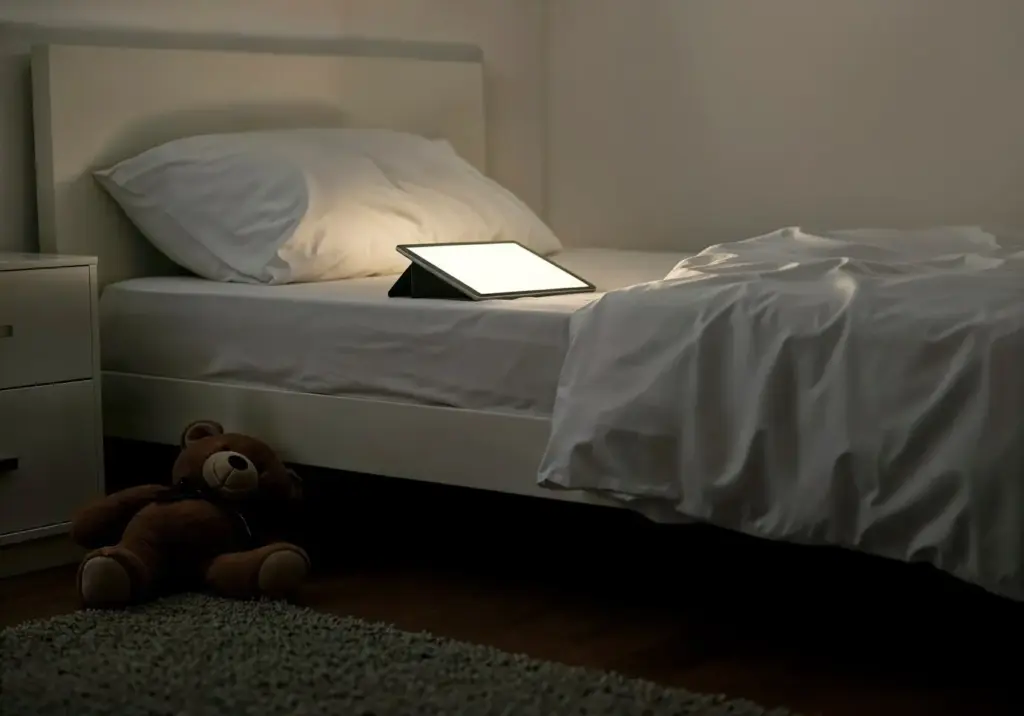
Percale’s one-over-one weave creates a matte, crisp hand and open structure that encourages airflow, making it a perennial pick for warm sleepers. Sateen’s lustrous, tighter weave feels silky but can retain heat for some. Thread count is less critical than quality fiber and weave integrity. Share your experience switching between both, and note washing frequency, as high-residue routines can reduce breathability even in otherwise excellent sheets.

Linen and Hemp for Airy Strength

Linen and hemp fibers are naturally robust with irregular, airy threads that foster ventilation and quick moisture release. They soften beautifully with use while remaining cool across seasons. Slight weight adds a grounded feel without stifling heat. Expect a lived-in texture that rewards patience and proper care. Tell us how you break in new sets, manage wrinkles, and pair them with blankets to keep cool without losing cozy comfort and style.

Lyocell, Bamboo, and Viscose Truths

Lyocell and bamboo-based viscose can feel cool and silk-smooth, often excelling at moisture management. Processing quality varies widely, though, affecting durability and pilling. Look for reputable manufacturing and certifications that confirm responsible production. Pair these fabrics with breathable protectors to avoid trapping humidity. Have a favorite brand or weave finish? Share your results on longevity and coolness so readers can choose options that balance sustainability, comfort, and long-term value.

Smart Layering for Seasonal Comfort

Layering offers fine-tuned control you simply can’t get from a single heavy blanket. Combine airy sheets, light quilts, and breathable throws to adjust quickly as nights warm or cool. Focus on modular pieces that encourage airflow rather than sealed insulation. We’ll outline combinations for spring, peak summer, and early fall. Post your go-to pairings and bedroom climates, and we’ll workshop tweaks that keep you cool without sacrificing hug-like comfort or style.

Sheets, Blankets, and the Power of Modularity

Start with a breathable sheet base, add a lightweight quilt or cellular blanket, and finish with a loose throw at the foot for quick adjustments. This approach anticipates temperature shifts without waking you. Choose textures that layer without compressing into heat traps. Share your nightly stack, including fiber mixes and weights, and we’ll suggest small swaps that can convert stuffy layers into a flexible, cool cocoon that still feels reassuring.

Mattress Protectors That Don’t Trap Heat

A protective layer is essential for hygiene and longevity, but some waterproof coatings block airflow. Seek protectors that balance spill resistance with breathable membranes or natural fibers that wick and release moisture. If allergies are a concern, consider tightly woven, cooling options. Tell us which protector you’re using and whether it feels clammy; we’ll recommend alternatives that maintain mattress health while preserving a dry, temperate surface that supports steady cooling all night.

Ventilated Bed Bases and Space for Air
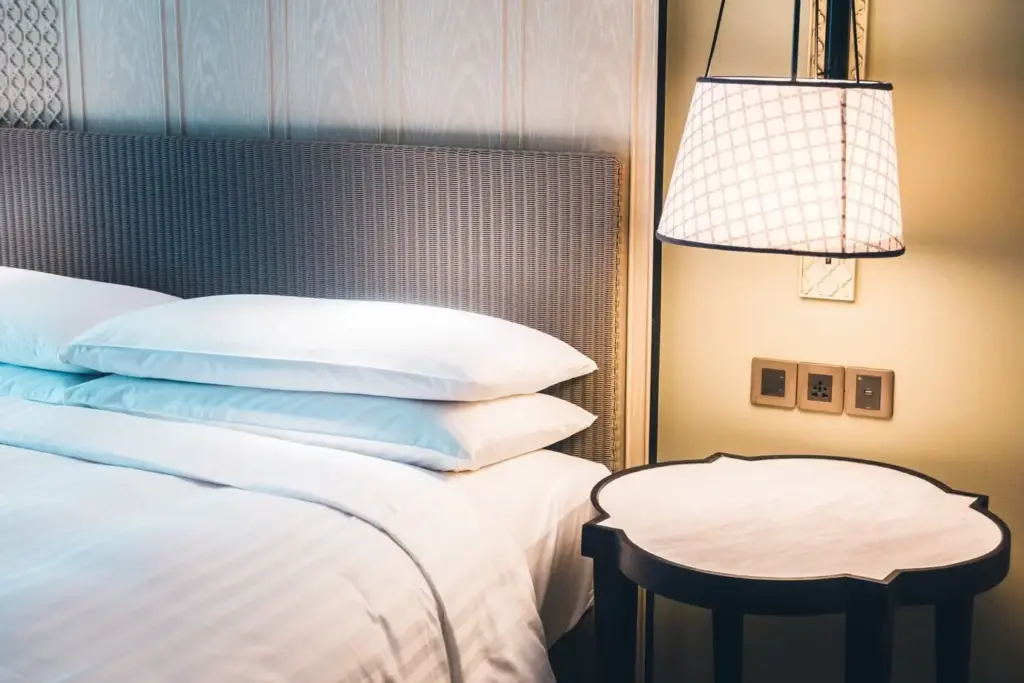
Beneath the mattress, slatted frames and ventilated foundations invite airflow from below, dispersing heat that would otherwise pool. Solid platforms can trap warmth unless paired with strong side ventilation. Check for clearance under the bed to allow circulation. Describe your frame and room layout, and we’ll troubleshoot simple airflow upgrades—like strategic fan placement or risers—that reduce heat buildup without overcooling the whole room or disturbing a partner’s comfort preferences.

Latex, Springs, and Open-Cell Foams
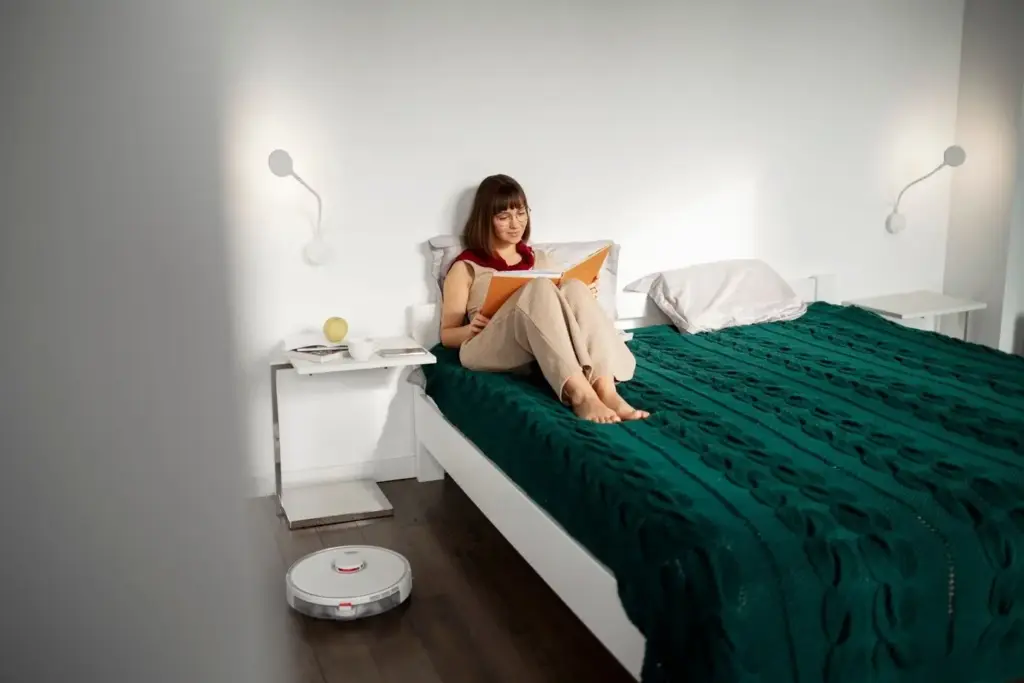
Natural latex’s buoyant structure and pin-core ventilation release heat efficiently, while coil systems create deep channels for airflow across the mattress. Open-cell foams vary, so test breathability rather than relying on labels alone. Combine breathable toppers with slatted bases for synergistic cooling. Comment with your experience swapping from dense memory foam to latex or hybrid designs, noting changes in night sweats and pressure relief for a balanced, cool, supportive feel.

Adjustable-Fill Pillows for Personal Microclimates

Shredded latex or microfiber pillows with removable fill let you fine-tune loft and airflow, reducing trapped heat around the neck and cheeks. Pair with cool-touch, breathable covers rather than sealed synthetics. Rotating or fluffing midweek can restore channels. Tell us your sleep position and neck measurements, and we’ll suggest fill levels and fabrics that stabilize alignment while encouraging evaporation, keeping your head comfortably dry across changing room conditions and seasonal transitions.

Room Setup, Habits, and Nightly Rituals

Room temperature, humidity, and airflow shape the stage for breathable bedding to succeed. Many sleepers thrive around 60–67°F with moderate humidity, but comfort varies. Gentle cross-breezes, ceiling fans, and quiet window units can help without turbulence. Pre-bed routines—cool showers, light dinners, and dim lights—support your body’s cooling curve. Share your climate challenges and gear, and we’ll help refine a setup that keeps you comfortable without overreliance on energy-hungry blasting cold air.

Care, Longevity, and Conscious Choices

Xenatapoxatelafu
Privacy Overview

This website uses cookies so that we can provide you with the best user experience possible. Cookie information is stored in your browser and performs functions such as recognising you when you return to our website and helping our team to understand which sections of the website you find most interesting and useful.