
Let Your Home Lull You To Sleep

Tonight we dive into smart home automations that create a sleep-conducive environment, turning lights, temperature, sound, and routines into gentle cues that help your body unwind. Expect practical setups, warm anecdotes, and research-backed guidance you can try immediately, plus invitations to share what works in your space so we can refine and rest together.

Light That Winds Down With You

Sunset-to-Bedtime Transitions

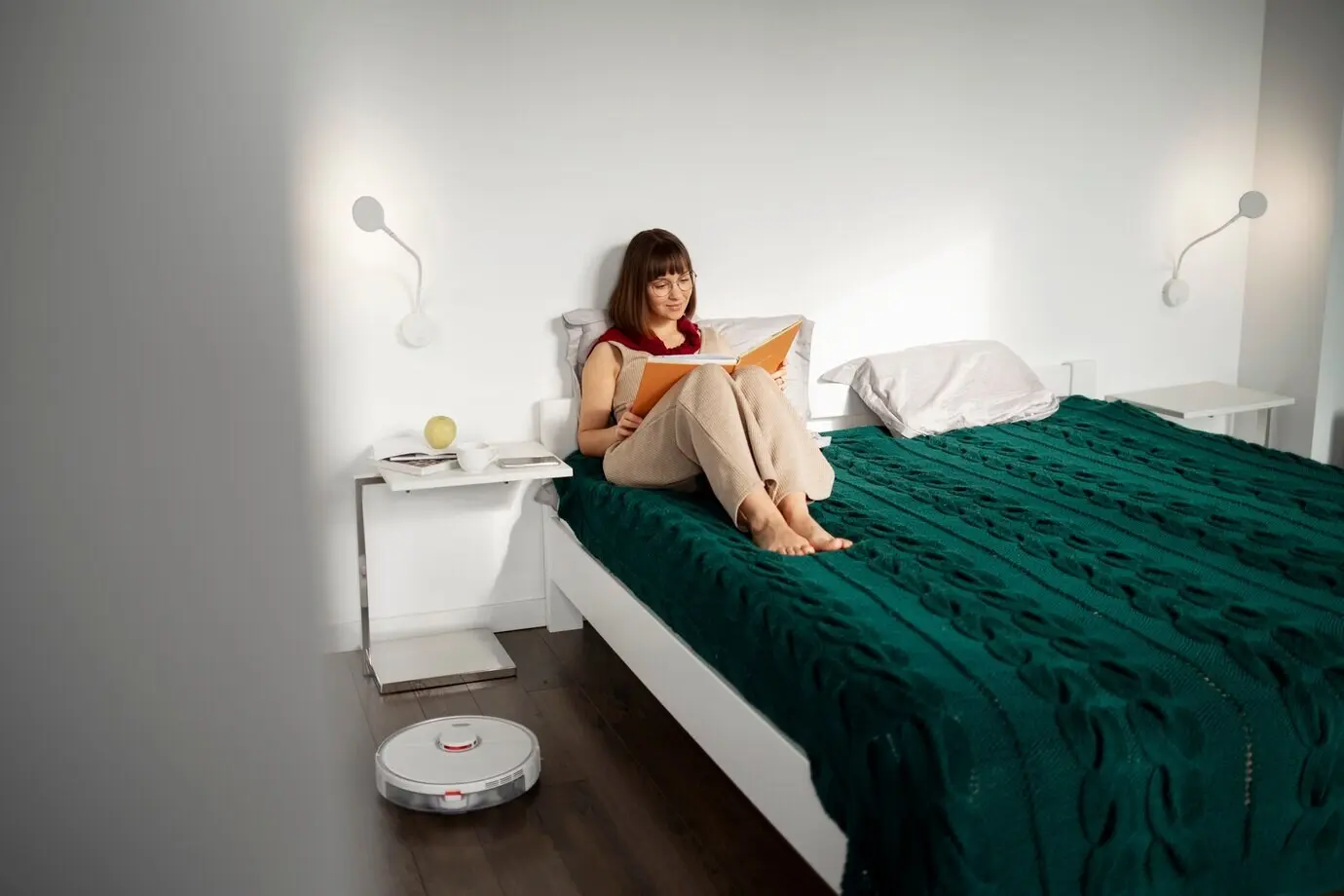
Set smart bulbs to follow the local solar schedule, gradually shifting from bright, cool productivity tones to warm, candle-like hues. This reduces melatonin-disrupting blue light and creates a predictable, soothing descent. Add occupancy rules to override for guests, and protect late-night readers with a bedside pool of warm light that never splashes across the room.

Guided Pathways At One Percent

Set smart bulbs to follow the local solar schedule, gradually shifting from bright, cool productivity tones to warm, candle-like hues. This reduces melatonin-disrupting blue light and creates a predictable, soothing descent. Add occupancy rules to override for guests, and protect late-night readers with a bedside pool of warm light that never splashes across the room.

Gentle Sunrise Wake Instead Of Alarms

Set smart bulbs to follow the local solar schedule, gradually shifting from bright, cool productivity tones to warm, candle-like hues. This reduces melatonin-disrupting blue light and creates a predictable, soothing descent. Add occupancy rules to override for guests, and protect late-night readers with a bedside pool of warm light that never splashes across the room.

Cool, Quiet, and Breathe-Easy Nights

Most people sleep best around eighteen to twenty degrees Celsius, with moderate humidity and quiet airflow. Automations can pre-cool the bedroom before you arrive, then coast silently. Last summer I shifted cooling to earlier evening hours and noticed fewer wake-ups from compressor cycles. Air feels fresher, noise stays low, and the entire night becomes steadier.

Pre-Sleep Thermal Ramp

Start cooling an hour before bedtime so the room reaches target temperature while the HVAC is least noticeable. Use weather forecasts and occupancy to decide when to begin, avoiding unnecessary energy use. At lights-out, switch to a whisper fan mode, then let a lightweight blanket handle the cozy finish without overheating your core.
Humidity In The Sweet Spot

Pair a hygrometer with humidifier or dehumidifier to hold a comfortable band, usually forty to fifty percent. Dry air can irritate sinuses; excess humidity invites stuffiness. Set smart plugs to cycle gently, and schedule filter reminders. When seasons change, adjust thresholds automatically so the bedroom remains balanced without constant manual tinkering.
Fresh Air Without Drafts

If outdoor air quality is good, crack windows with actuators or start an energy recovery ventilator before bed. Filter pollen during high seasons, and pause intake during smoke events using local AQI data. Keep airflow diffuse, not direct, so you breathe easier while maintaining quiet, consistent comfort until morning light softly arrives.


Silence When You Want It, Sound When You Need It

Noise can jolt you awake, but a steady, neutral soundscape masks small spikes. Smart speakers or dedicated machines can play brown noise, adjusting gently when neighborhoods get rowdy. We once muted a doorbell and redirected notifications to a subtle light blink, and suddenly our weekends stopped feeling like half-sleeps interrupted by surprises.

Evening Rituals That Run Themselves

Routines reduce decision fatigue. A single action can tidy the kitchen lights, start the dishwasher at a quiet cycle, warm the bathroom floor, and cue a short stretch. I added a tea reminder and a two-minute gratitude prompt; strangely, that tiny pause softened worries that used to follow me into bed every night.

Let Data Help, Not Haunt

Wearables can share helpful signals, but chasing perfect numbers often backfires. Aim for small, steady improvements guided by trends. I stopped tweaking nightly and reviewed weekly instead; suddenly, routines stuck. Use data to inform gentle adjustments, not judgment, and build automations that reduce friction rather than pressure, honoring the body’s natural variability.

Secure, Calm, and Undisturbed

When the house feels safe, the mind unwinds. Set security to protective yet quiet: inside cameras shutter, exterior ones watch discretely, and doorbells signal through lights rather than chimes. Emergencies still break through. On trips, presence simulation keeps patterns believable, preventing that jittery uncertainty that often erodes deep rest far from familiar pillows.

Quiet Hours With Wise Exceptions

Do-not-disturb blocks most notifications while allowing critical alerts from smoke detectors, water leaks, or specific family contacts. If an urgent signal arrives, let bedside lights glow softly and a gentle tone play. This hierarchy respects sleep while ensuring truly important events reach you, balancing safety with the quiet necessary for stable slumber.

Deliveries And Late Visitors, Handled

Tie doorbell presses to a discreet porch light pulse and a message instructing couriers to leave packages in a lockbox. Indoors, no sounds fire during quiet hours. A next-morning digest summarizes activity. You remain informed without interruption, and your nervous system learns that night remains undisturbed territory, reliably devoted to resting well.

Xenatapoxatelafu
Privacy Overview

This website uses cookies so that we can provide you with the best user experience possible. Cookie information is stored in your browser and performs functions such as recognising you when you return to our website and helping our team to understand which sections of the website you find most interesting and useful.