Sleep Better With Smarter Bedroom Lighting
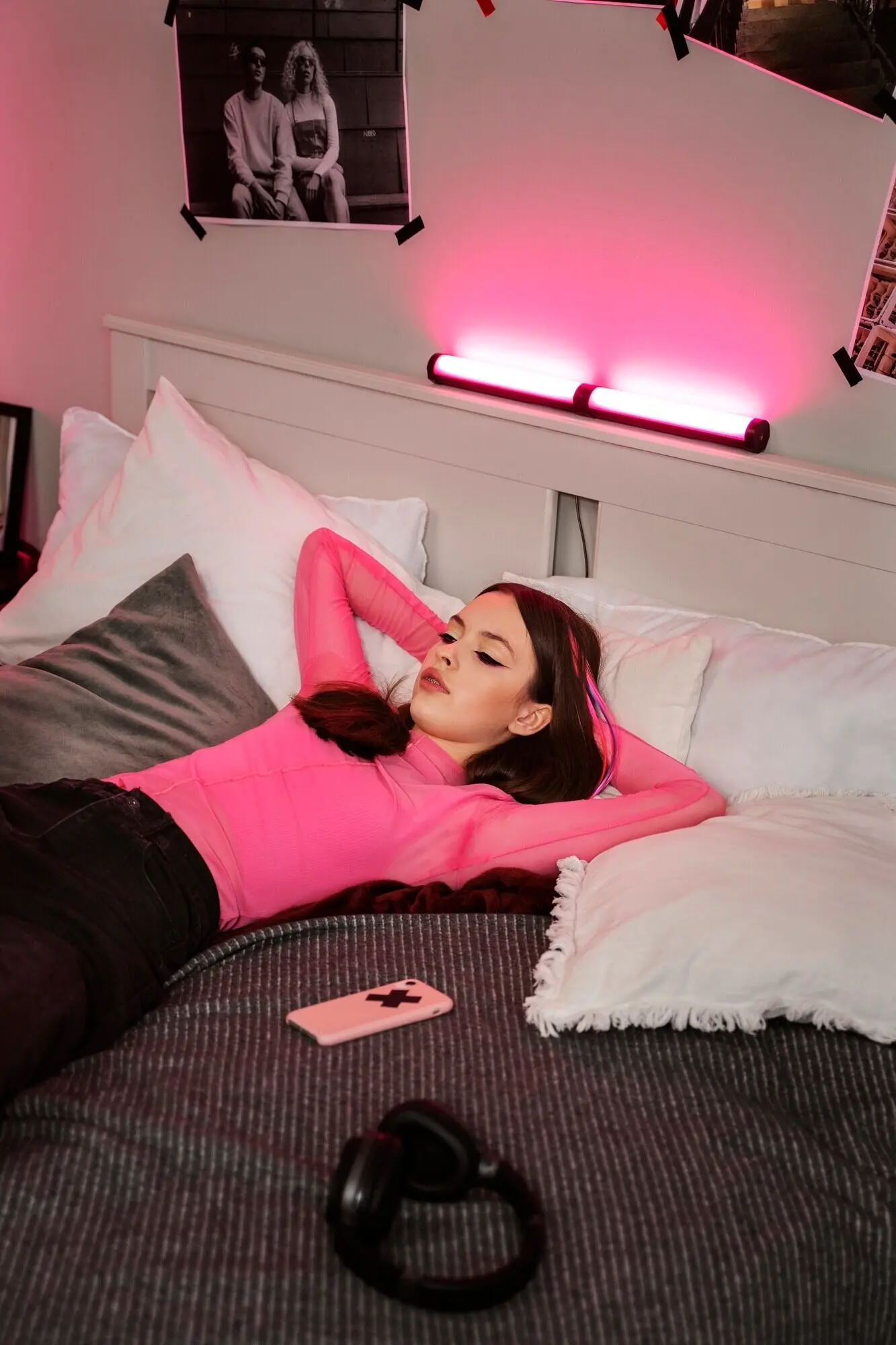
In this guide, we focus on optimizing bedroom lighting to support circadian rhythms by turning science into friendly, practical steps. You will discover how spectrum, intensity, timing, and placement influence melatonin, mood, alertness, and recovery. Expect clear routines, approachable tools, and simple upgrades that transform evenings, improve mornings, and build consistent sleep habits. Share your questions or wins at the end, and let’s shape a calmer, brighter daily rhythm together.

How Light Tunes Your Internal Clock

Blue-Rich Wavelengths and Timing Matter
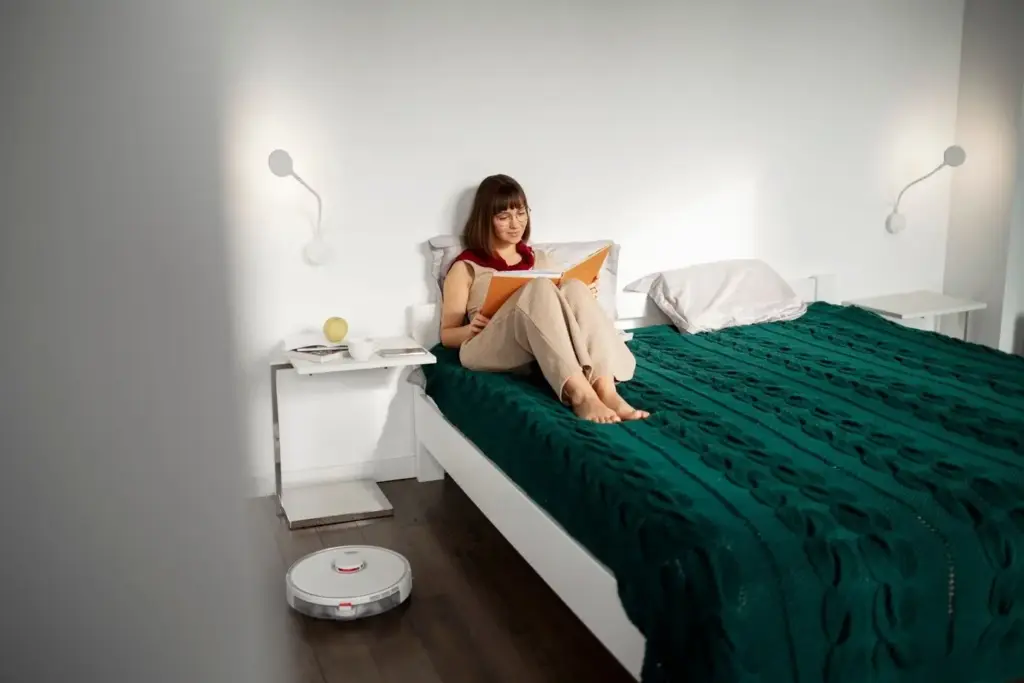
Shorter wavelengths around the blue range stimulate melanopsin-containing retinal cells strongly, especially when exposure occurs late. That stimulation delays the clock, making sleep elusive and mornings foggy. Shift cool, stimulating light toward earlier hours, and reserve warmer, amber-rich light for evenings. Small swaps—like cozy bedside lamps after dinner—make measurable differences in how quickly you unwind and how refreshed you feel after waking.

Melanopic Lux, Not Just Lumens

Traditional lumens describe perceived brightness, but circadian influence depends on melanopic lux, which weights light by its biological potency. For evenings, keep eye-level exposure low, favoring warm spectra and indirect glow. For mornings, pursue brighter, cooler light that reliably signals daytime. You do not need fancy instruments to start; consistent dimming after sunset and brighter mornings deliver real, repeatable benefits you can feel.

Evening Calm Versus Morning Spark

Treat your bedroom as two environments on a daily schedule. Evenings prioritize warm, dim, indirect light that quiets the nervous system and supports melatonin. Mornings prioritize bright, cool, diffuse light that raises alertness and lifts mood. This clear contrast is the essential message your body needs. The stronger the difference, the faster your sleep improves and the more resilient your energy becomes.

Designing a Soothing Evening Atmosphere

Comfortable sleep begins hours before lights out. Build layers of gentle light using warm color temperatures, shaded fixtures, and indirect bounce off walls or ceilings. Keep luminance low at eye level and minimize blue-heavy sources near bedtime. Pair your lighting with relaxing rituals—stretching, journaling, or quiet reading—to reinforce consistent cues. Over time, this predictable environment conditions your body to slip naturally into deeper, more restorative sleep.

Bright Mornings That Kickstart Alertness

Morning light is your daily anchor. Strong, cool, diffuse illumination shortly after waking helps clear melatonin, lifts mood, and steadies appetite and focus. If you have access to daylight, open blinds fully and position yourself where light meets your eyes comfortably. When daylight is scarce, supplement with quality fixtures or a well-placed light box. Build a short routine—stretching, hydration, planning—while basking in that encouraging brightness.

Targeting a Healthy Light Dose

Aim for a meaningful light dose within the first hour after waking. Ten to thirty minutes of bright exposure can improve alertness, with daylight often surpassing indoor levels easily. If relying on fixtures, choose cool, high-output sources diffused for comfort. Keep eyes open and directed toward the light, not gazing directly at sources. This simple practice trains your clock reliably and eases the afternoon slump.

Daylight First, Then Thoughtful Electrified Support

Daylight provides a balanced, powerful signal. Sit near a window for coffee, journaling, or planning. Use sheer curtains to spread brightness while controlling glare. If your bedroom lacks sunlight, install bright, cool, high-CRI fixtures positioned to bounce off walls or ceilings. Combine window time with gentle movement for a double boost. Small, daily repetitions bring compounding benefits to energy, focus, and stable sleep timing.

Sunrise Simulators That Wake Without Shock

Gradually brightening devices ease waking by mimicking dawn. Start thirty minutes before your alarm, ramping from deep amber to gentle daylight tones. Many models pair with calming sounds for a kinder morning. Place the device where its glow reaches your eyes naturally, not hidden behind objects. Users often report smoother mood transitions, less grogginess, and greater consistency sticking to wake times, especially during darker seasons.

Automation That Works With Your Life
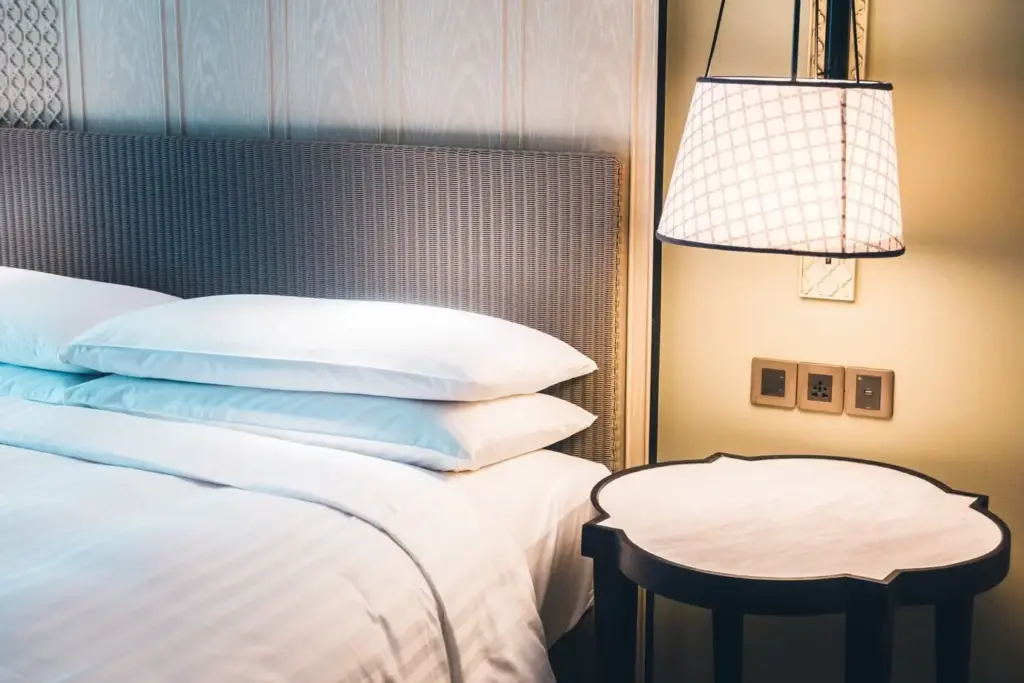
Technology should simplify, not complicate. Tunable lamps, smart dimmers, scenes, and sensors can maintain circadian-friendly light automatically. Use warm presets for evenings, bright cool presets for mornings, and timers for gradual changes. Keep controls intuitive for guests and partners. Combine automation with habit cues like tea time, journaling, or stretching. Share what routines help you most, and refine your setup weekly until it feels effortless.

Fixtures, Placement, and Materials That Help

The same bulb feels different depending on direction, diffusion, and surrounding surfaces. Favor shaded fixtures that soften glare, indirect sources that bounce light gently, and placements that minimize direct eye exposure at night. Consider matte finishes, darker window treatments, and warm-toned shades for evening calm. For mornings, prioritize diffuse brightness over harsh spots. These physical choices quietly shape comfort, clarity, and your body’s time cues.

Measure, Iterate, and Stay Safe

Simple Ways to Check Your Light

Start with the easiest measurements. A smartphone lux app provides ballpark readings at eye level; repeat at typical evening and morning positions. Observe glare by photographing from pillow height. Note whether light reaches your eyes directly or via gentle reflections. These quick checks reveal actionable adjustments without specialized gear, helping you dial in calmer nights and brighter, confident mornings one tweak at a time.

Comfort, Safety, and Eye Health

Comfort comes first. Avoid fixtures that produce pinpoint glare or flicker you can sense as strain or headaches. Choose quality dimmers and bulbs tested for low flicker. Keep walkways clear and illumination predictable to prevent trips at night. If you have migraines, light sensitivity, or sleep disorders, personalize more cautiously and seek guidance. A supportive environment respects your eyes, your nervous system, and your need for steady rest.

A Real-World Makeover Story

A reader swapped a bright, cool ceiling light for two warm bedside lamps, added under-bed motion strips, and scheduled an early morning window routine. Within two weeks, she fell asleep faster, woke easier, and stopped the afternoon crash. The room felt cozier, her partner slept through bathroom trips, and both felt calmer at bedtime. Share your adjustments so our community can celebrate progress and learn together.

Xenatapoxatelafu
Privacy Overview

This website uses cookies so that we can provide you with the best user experience possible. Cookie information is stored in your browser and performs functions such as recognising you when you return to our website and helping our team to understand which sections of the website you find most interesting and useful.